Can cats eat bananas?
Last reviewed
Yes — peeled, in small pieces, now and then.
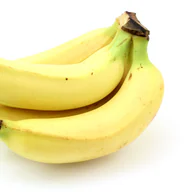
Yes. Banana is one of the fruits ASPCA lists as okay to give pets. Peel it, cut it into small pieces and offer only a little now and then, because most of your cat’s nutrition should come from its regular food.
- How much
- Small, bite-size pieces of peeled banana, given sparingly as an occasional treat.
Treats count toward daily calories — the cat calorie calculator estimates the daily total.
When to call a vet
Too much banana can upset your cat’s stomach: stop giving it and watch your cat, and call your vet if the upset does not settle. Always remove the peel first.
What too much banana can cause
- Digestive upset if your cat eats more banana than it is used to
How much banana can a cat eat?
Only a small portion. ASPCA’s food magnet lists bananas among the foods to share sparingly, in small portions, cut into small pieces and unseasoned. Its snack advice is the same: keep portions small.
Cornell says an occasional treat is not generally harmful, but treats are usually not a complete, balanced diet, so give them only occasionally.
Are bananas good for cats?
Not especially. Cats are obligate carnivores, which means they rely on nutrients found only in animal products. A treat like banana is not a complete, balanced source of nutrition, so it cannot stand in for cat food.
Are bananas bad for cats?
Not in small amounts. The risk comes from too much: ASPCA warns that people food tends to be high in sugar, and that too much sugar can inflame the pancreas badly enough to land a pet in the hospital.
Do cats like bananas?
Not for the sweetness. A genetics study found that cats, unlike most mammals, do not prefer and may be unable to taste the sweetness of sugars. Plain banana is still fine if your cat wants some.
Dogs are different: the study contrasts cats with dogs, which, like most omnivores and herbivores, are keen on sweets. Cats show a preference for certain amino acids instead.
What other fruits can cats eat?
ASPCA also lists apples, blueberries, strawberries, pineapple, cantaloupe, kiwi and cucumbers as okay to give pets. It advises cutting harder fruits into bite-size pieces and removing any seeds, cores, stems or peels.
Apples, blueberries, strawberries and pineapple each have an entry in the food list.
Not everything sweet is safe, though: treat grapes and raisins and chocolate as toxic.
Is a banana plant toxic to cats?
No. ASPCA lists the banana plant (Musa acuminata, also called plantain) as non-toxic to cats. For the houseplants that are poisonous, see plants toxic to cats.
Sources
1.ASPCA — Sharing is Caring: Foods You Can Safely Share with Your Pet
Show the quoted lines
your pet should get most of their nutrition from their regular diet. Snacks should equate to no more than five percent of their daily caloric intake, so keep portion sizes small. Additionally, people food tends to be high in fat and sugar, and too much fat or sugar can lead to inflammation of the pancreas (pancreatitis) that can land your pet in the hospital. Also, be mindful that too much of a food your pet is not used to can lead to some digestive upset... Fruit: Apples, bananas, cucumbers, pineapple, cantaloupe, blueberries, strawberries and kiwi are all okay to give to your pet. Like vegetables, cutting harder fruits into bite size pieces is advisable, as well as removing any seeds, cores, stems or peels.
2.ASPCA — Good/Bad Food Pet Magnet
Show the quoted lines
These foods are safe to share sparingly with pets in small portions when unseasoned and cut into small pieces. Remove seeds, cores, stems or peels!... Bananas
3.ASPCA — Toxic and Non-Toxic Plants: Banana
Show the quoted lines
Banana Additional Common Names: Plantain Scientific Name: Musa acuminata Family: Musaceae Non-Toxicity: Non-Toxic to Dogs, Non-Toxic to Cats, Non-Toxic to Horses
4.Cornell Feline Health Center — Feeding Your Cat
Show the quoted lines
Cats are obligate carnivores, which means that they rely on nutrients found only in animal products... While giving your cat an occasional treat is not generally harmful, they are usually not a nutritionally complete and balanced source of nutrition and should only be fed occasionally.
5.PMC — Pseudogenization of a Sweet-Receptor Gene Accounts for Cats’ Indifference toward Sugar
Show the quoted lines
Although domestic cats (Felis silvestris catus) possess an otherwise functional sense of taste, they, unlike most mammals, do not prefer and may be unable to detect the sweetness of sugars... This behavior toward sweet stimuli is in marked contrast to the avidity for sweets shown by most omnivores and herbivores and even some other carnivores such as the dog... For example, they show preference for selected amino acids
6.PetMD — Can Cats Eat Bananas?
Show the quoted lines
A practical guideline is to offer no more than a 1-inch square piece of banana every few weeks.
How sources are picked: methodology. Spot an error? Email hello@meowledge.app.