Plants toxic to cats
9 of these 25 common plants are deadly to cats and 16 are toxic. Search for your plant, or start with the deadly list.
Cat chewed a plant? Call your vet or the nearest emergency animal hospital now.
- Deadly:
- Can kill a cat, sometimes in small amounts. There is no safe amount: treat it as an emergency.
- Toxic:
- Harmful to cats. If your cat eats it, call your vet or a poison hotline.
25 plants, last reviewed between and . Each row carries its own date in the dataset.
Which plants are deadly to cats?
 Deadly
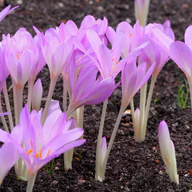
Autumn Crocus
Also called: Colchicum autumnale, Meadow saffron, Naked lady
Colchicine in every part, fresh or dried, can cause organ failure and death.
Why, and what to do if your cat ate it
What harms cats: Colchicine, an alkaloid throughout the plant causing multi-organ failure and bone-marrow suppression
When signs appear: Can be delayed by days
Emergency vet immediately for fresh or dried plant. Do not confuse with the spring-blooming Crocus — a different plant that causes only stomach upset — autumn crocus is far more dangerous, and signs can be delayed for days.
Call your vet or the nearest emergency animal hospital now.
 Deadly
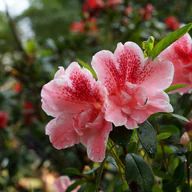
Azalea / Rhododendron
Also called: Rhododendron spp., Rosebay, Azalea
Eating it can cause stomach upset and heart problems.
Why, and what to do if your cat ate it
What harms cats: Grayanotoxins that interfere with nerve, muscle, and heart function; even a few leaves can be serious
When signs appear: Not given by our sources.
Emergency vet right away; even small ingestions warrant a call to a pet poison hotline. Bring a sample of the plant if possible.
Call your vet or the nearest emergency animal hospital now.
 Deadly
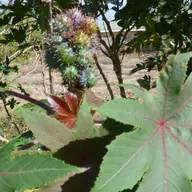
Castor Bean Plant
Also called: Ricinus communis, Castor oil plant, Palma Christi
The seeds hold ricin, and chewing a seed or two can cause organ failure.
Why, and what to do if your cat ate it
What harms cats: Ricin, a toxalbumin concentrated in the seeds/beans; a single well-chewed seed can be lethal
When signs appear: Can be delayed by many hours
Emergency vet immediately if any seed or plant material is chewed. Symptoms may be delayed many hours; do not wait for them to appear.
Call your vet or the nearest emergency animal hospital now.
 Deadly
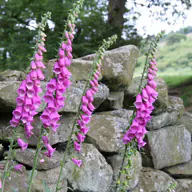
Foxglove
Also called: Digitalis purpurea, Digitalis
Heart toxins run through the whole plant and stay potent even when dried.
Why, and what to do if your cat ate it
What harms cats: Cardiac glycosides such as digitoxin and digoxin, found throughout the plant, that affect the heart; drying does not reduce their potency
When signs appear: Usually within the first 2 hours
Emergency vet immediately. Foxglove holds digoxin, a heart drug, and a vet may use an antidote or heart-rhythm treatment. Deaths have been reported even with aggressive treatment.
Call your vet or the nearest emergency animal hospital now.
 Deadly
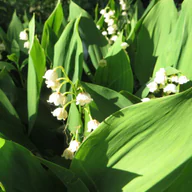
Lily of the Valley
Also called: Convallaria majalis
Heart toxins in leaves, flowers and even vase water can be fatal.
Why, and what to do if your cat ate it
What harms cats: Cardiac glycosides such as convallatoxin, in the leaves, flowers, rhizome and even vase water, that change heart rate and rhythm. Not a true lily, but can still be fatal
When signs appear: Varies with the amount eaten; heart-toxin plants usually cause signs within the first 2 hours
Emergency vet immediately; heart and blood potassium monitoring may be needed. Despite the name it is not a true lily and does not cause the kidney failure that true lilies do, but its abnormal heart rhythm can be life-threatening.
Call your vet or the nearest emergency animal hospital now.
 Deadly
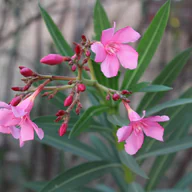
Oleander
Also called: Nerium oleander, Rose-bay
Contains oleandrin throughout, which upsets heart rate and rhythm.
Why, and what to do if your cat ate it
What harms cats: Cardiac glycosides (oleandrin) throughout the plant that disrupt heart rhythm; toxic even dried
When signs appear: Can appear quickly, or be delayed
Emergency vet now. All parts, including clippings and dried leaves, are poisonous. Heart effects can be delayed, so seek care even if only stomach upset is seen so far.
Call your vet or the nearest emergency animal hospital now.
 Deadly
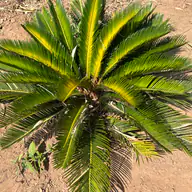
Sago Palm
Also called: Cycas revoluta, Cycad, Coontie
Any part, especially the seed, may cause liver failure and death.
Why, and what to do if your cat ate it
What harms cats: Cycasin, causing severe gastrointestinal injury and acute liver failure; seeds/nuts are the most toxic part
When signs appear: Vomiting can start quickly; liver damage can take longer to show
Emergency vet immediately even if only one seed was chewed. All parts are dangerous. Liver damage can be delayed, so seek care before symptoms appear.
Call your vet or the nearest emergency animal hospital now.
 Deadly
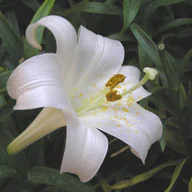
True Lilies (Lilium & Hemerocallis)
Also called: Easter lily, Asiatic lily, Tiger lily
Kidney failure from any part, even pollen or vase water.
Why, and what to do if your cat ate it
What harms cats: Unidentified nephrotoxin in every part (leaf, petal, pollen, and even vase water) causing acute kidney injury in cats specifically
When signs appear: Vomiting, drooling and appetite loss within 1–3 hours; kidney signs (more urination, dehydration) develop over the next 12–30 hours
Treat as an immediate emergency for ANY contact, including a lick of pollen off the fur or a sip of vase water. Go to a vet right away; call a pet poison hotline en route. Early treatment is vital after any exposure, so do not wait for symptoms.
Call your vet or the nearest emergency animal hospital now.
 Deadly
Yew
Also called: Taxus spp., Japanese yew, English yew
Any amount or part can cause seizures, a slow heart and death.
Why, and what to do if your cat ate it
What harms cats: Taxine alkaloids that cause sudden, severe heart rhythm disturbances
When signs appear: Can be sudden, with little warning
Emergency vet immediately. Every part is toxic — the red berry flesh is not, but the seed inside it is — and death can be sudden, so treat any ingestion as urgent.
Call your vet or the nearest emergency animal hospital now.
Which other plants are toxic to cats?
 Toxic
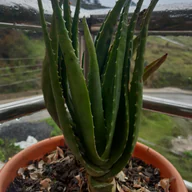
Aloe Vera
Also called: Aloe vera, Aloe spp., Medicine plant
Vomiting and diarrhea from the plant, though the gel is considered edible.
Why, and what to do if your cat ate it
What harms cats: Saponins and anthraquinones in the latex just under the leaf skin (the inner clear gel is considered non-toxic)
When signs appear: Not given by our sources.
Call a vet or pet poison hotline. ASPCA and Pet Poison Helpline both class aloe as toxic to cats; reported signs are vomiting, lethargy and diarrhea, and the clear inner gel is considered edible.
Call your vet or the nearest emergency animal hospital now.
 Toxic
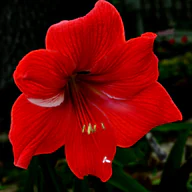
Amaryllis
Also called: Amaryllis spp., Hippeastrum, Belladonna lily
Leaves, stems and bulbs can cause vomiting, low blood pressure and tremors.
Why, and what to do if your cat ate it
What harms cats: Lycorine and related alkaloids, most concentrated in the bulb
When signs appear: Not given by our sources.
Call a vet or pet poison hotline, especially if the bulb was chewed. Keep potted holiday amaryllis out of reach of cats.
Call your vet or the nearest emergency animal hospital now.
 Toxic
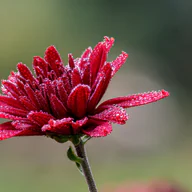
Chrysanthemum
Also called: Chrysanthemum spp., Mum, Daisy
Eating the plant typically causes only stomach upset.
Why, and what to do if your cat ate it
What harms cats: Pyrethrins and sesquiterpene lactones
When signs appear: Not given by our sources.
Call a vet or pet poison hotline. Usually causes stomach upset rather than life-threatening illness, but wobbliness, repeated vomiting or skin irritation needs a vet.
Call your vet or the nearest emergency animal hospital now.
 Toxic
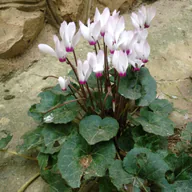
Cyclamen
Also called: Cyclamen spp., Sowbread, Persian violet
Usually drooling and vomiting, with heart trouble possible but uncommon.
Why, and what to do if your cat ate it
What harms cats: Terpenoid saponins, concentrated in the tubers/roots; large tuber ingestion can affect the heart
When signs appear: Not given by our sources.
Call a vet or pet poison hotline. Foliage usually causes stomach upset, but if the root/tuber was eaten treat it as an emergency because of possible heart effects.
Call your vet or the nearest emergency animal hospital now.
 Toxic
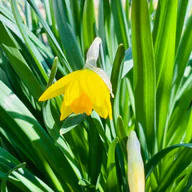
Daffodil
Also called: Narcissus spp., Jonquil, Paperwhite
Plant or bulb can cause severe vomiting, dehydration and shock.
Why, and what to do if your cat ate it
What harms cats: Lycorine and other alkaloids plus oxalates, most concentrated in the bulb
When signs appear: Not given by our sources.
Call a vet or pet poison hotline. Treat bulb ingestion urgently, as it can cause heart and blood-pressure effects beyond simple stomach upset.
Call your vet or the nearest emergency animal hospital now.
 Toxic
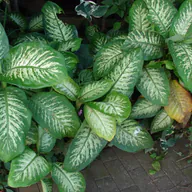
Dieffenbachia
Also called: Dumb cane, Dieffenbachia spp., Tropic snow
Chewing releases needle-like crystals that burn the mouth and throat at once.
Why, and what to do if your cat ate it
What harms cats: Insoluble calcium oxalate crystals, in all parts including the sap, that are released into the mouth and throat when chewed, causing intense burning
When signs appear: Immediate — pain and burning start as soon as it is chewed
Rinse or wipe out the mouth and call a vet or pet poison hotline. Seek emergency care immediately if the throat swells or breathing becomes difficult.
Call your vet or the nearest emergency animal hospital now.
 Toxic
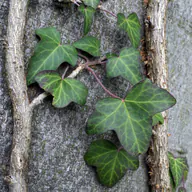
English Ivy
Also called: Hedera helix, Common ivy, Branching ivy
Leaves and berries cause drooling, vomiting and diarrhea.
Why, and what to do if your cat ate it
What harms cats: Triterpenoid saponins (hederagenin); the foliage is more toxic than the berries
When signs appear: Not given by our sources.
Call a vet or pet poison hotline, urgently if vomiting or diarrhea is repeated or the cat seems painful.
Call your vet or the nearest emergency animal hospital now.
 Toxic
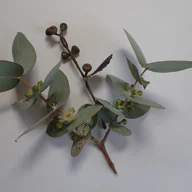
Eucalyptus
Also called: Eucalyptus spp., Gum tree, Silver dollar (dried bouquet)
A few leaves cause minor nausea, but concentrated oil can cause severe signs.
Why, and what to do if your cat ate it
What harms cats: Aromatic essential oils (eucalyptol/cineole); cats are especially sensitive to essential oils
When signs appear: Not given by our sources.
Call a vet or pet poison hotline. Keep both the plant and, importantly, eucalyptus essential oils/diffusers away from cats, which metabolize these oils poorly.
Call your vet or the nearest emergency animal hospital now.
 Toxic
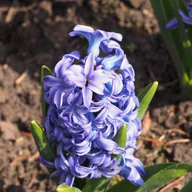
Hyacinth
Also called: Hyacinthus orientalis, Garden hyacinth, Hyacinth bulb
Bulbs hold the most toxin and can cause intense vomiting and diarrhea.
Why, and what to do if your cat ate it
What harms cats: Alkaloids and calcium oxalate crystals, most concentrated in the bulb
When signs appear: Not given by our sources. How bad it gets depends on the amount and the part eaten.
Call a vet or pet poison hotline. The bulb is the most dangerous part, and stored bulbs can be within a pet's reach; call right away if one was chewed, as rare deaths have been reported after bulb ingestion.
Call your vet or the nearest emergency animal hospital now.
 Toxic
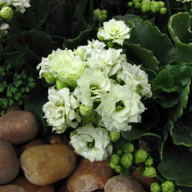
Kalanchoe
Also called: Kalanchoe spp., Mother-of-millions, Devil's backbone
Mostly stomach upset, though a large amount can affect the heart.
Why, and what to do if your cat ate it
What harms cats: Bufadienolides (cardiac glycosides) that can, in larger amounts, disturb heart rhythm
When signs appear: Usually within hours
Call a vet or pet poison hotline. Most cases are stomach upset, but a large ingestion can affect the heart, so report the amount eaten and watch for weakness or collapse.
Call your vet or the nearest emergency animal hospital now.
 Toxic
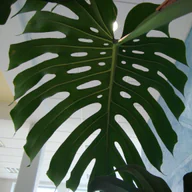
Monstera
Also called: Monstera deliciosa, Swiss cheese plant, Split-leaf philodendron
Chewing releases irritating crystals, and rarely the throat can swell.
Why, and what to do if your cat ate it
What harms cats: Insoluble calcium oxalate crystals causing oral and throat irritation
When signs appear: Immediate — the burning is instant on contact
Call a vet or pet poison hotline; go urgently if the mouth or throat swells, swallowing is difficult or breathing is affected.
Call your vet or the nearest emergency animal hospital now.
 Toxic
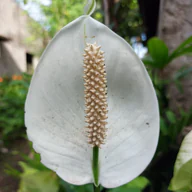
Peace Lily
Also called: Spathiphyllum spp., Mauna Loa peace lily
Unlike true lilies, it does not cause kidney damage in cats.
Why, and what to do if your cat ate it
What harms cats: Insoluble calcium oxalate crystals; NOT a true lily, so it does not cause the kidney failure that Lilium/Hemerocallis do
When signs appear: Immediate — the burning is instant on contact
Call a vet or pet poison hotline; go urgently if the mouth or throat swells, swallowing is difficult or breathing is affected. This is not a true lily and does not cause kidney failure, but still get advice.
Call your vet or the nearest emergency animal hospital now.
 Toxic
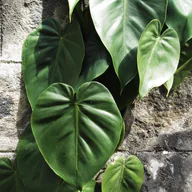
Philodendron
Also called: Philodendron spp., Heartleaf philodendron, Split-leaf philodendron
Chewing releases crystals that cause mouth and throat pain and drooling.
Why, and what to do if your cat ate it
What harms cats: Insoluble calcium oxalate crystals causing oral and throat irritation
When signs appear: Immediate — the burning is instant on contact
Call a vet or pet poison hotline; go urgently if the mouth or throat swells, swallowing is difficult or breathing is affected.
Call your vet or the nearest emergency animal hospital now.
 Toxic
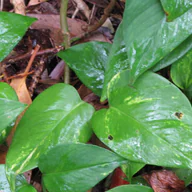
Pothos
Also called: Epipremnum aureum, Devil's ivy, Golden pothos
Chewing releases crystals that cause mouth pain, drooling and gagging.
Why, and what to do if your cat ate it
What harms cats: Insoluble calcium oxalate crystals causing mouth and throat irritation
When signs appear: Immediate — the burning is instant on contact
Call a vet or pet poison hotline; go urgently if the mouth or throat swells, swallowing is difficult or breathing is affected.
Call your vet or the nearest emergency animal hospital now.
 Toxic
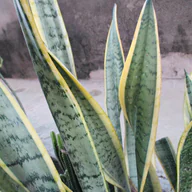
Snake Plant
Also called: Dracaena trifasciata, Sansevieria trifasciata, Mother-in-law's tongue
Saponins in leaves and stems cause vomiting, and in cats a wobbly gait.
Why, and what to do if your cat ate it
What harms cats: Saponins that irritate the digestive tract
When signs appear: Not given by our sources.
Call a vet or pet poison hotline. ASPCA lists it as toxic to cats and Pet Poison Helpline reports dilated pupils and a wobbly gait in cats; most cases are stomach upset, but seek urgent care for any wobbliness.
Call your vet or the nearest emergency animal hospital now.
 Toxic
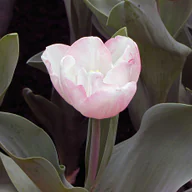
Tulip
Also called: Tulipa spp., Tulip bulb
Bulbs hold the most toxin, while petals and leaves usually cause mild upset.
Why, and what to do if your cat ate it
What harms cats: Tulipalin A and B, allergenic lactones found in every part and most concentrated in the bulb
When signs appear: Not given by our sources. How bad it gets depends on the amount and the part eaten.
Call a vet or pet poison hotline. Small amounts of petals or leaves usually cause mild nausea and vomiting; the bulb is the most dangerous part, so call right away if one was chewed.
Call your vet or the nearest emergency animal hospital now.
This list covers toxic plants only — a plant missing from it is not proof that it is safe. Ask your vet if you are unsure.
How we check each plant
Every verdict comes from ASPCA Animal Poison Control, Pet Poison Helpline or another source listed in our methodology. Where they disagree on severity, we take the more cautious verdict.
Photo credits
- Aloe Vera: Sabina Bajracharya, CC BY-SA 4.0 via Wikimedia Commons (cropped)
- Amaryllis: Jim Evans, CC BY-SA 4.0 via Wikimedia Commons (cropped)
- Autumn Crocus: Agnieszka Kwiecień, Nova, CC BY-SA 4.0 via Wikimedia Commons (cropped)
- Azalea / Rhododendron: Prenn, CC BY-SA 3.0 via Wikimedia Commons (cropped)
- Castor Bean Plant: Forest & Kim Starr, CC BY 3.0 US via Wikimedia Commons (cropped)
- Chrysanthemum: Reinhold Möller, CC BY-SA 4.0 via Wikimedia Commons (cropped)
- Cyclamen: DGW, CC BY-SA 4.0 via Wikimedia Commons (cropped)
- Daffodil: Wald-Burger8, CC BY-SA 4.0 via Wikimedia Commons (cropped)
- Dieffenbachia: Forest & Kim Starr, CC BY 3.0 via Wikimedia Commons (cropped)
- English Ivy: Hladac, CC BY-SA 4.0 via Wikimedia Commons
- Eucalyptus: Geoff Derrin, CC BY-SA 4.0 via Wikimedia Commons (cropped)
- Foxglove: Alastair Rae, CC BY-SA 2.0 via Wikimedia Commons (cropped)
- Hyacinth: Agnieszka Kwiecień, Nova, CC BY-SA 4.0 via Wikimedia Commons (cropped)
- Kalanchoe: 阿橋 HQ, CC BY-SA 2.0 via Wikimedia Commons (cropped)
- Lily of the Valley: AfroBrazilian, CC BY-SA 4.0 via Wikimedia Commons (cropped)
- Monstera: Smatu, CC BY-SA 4.0 via Wikimedia Commons (cropped)
- Oleander: Shanmugamp7, CC BY-SA 3.0 via Wikimedia Commons (cropped)
- Peace Lily: Daramlagon, CC BY-SA 4.0 via Wikimedia Commons (cropped)
- Philodendron: Yercaud-elango, CC BY-SA 4.0 via Wikimedia Commons (cropped)
- Pothos: Forest & Kim Starr, CC BY 3.0 US via Wikimedia Commons (cropped)
- Sago Palm: Tohinde, CC0 1.0 via Wikimedia Commons (cropped)
- Snake Plant: David E Mead, CC0 1.0 via Wikimedia Commons (cropped)
- True Lilies (Lilium & Hemerocallis): 阿橋 HQ, CC BY-SA 2.0 via Wikimedia Commons (cropped)
- Tulip: 阿橋 HQ, CC BY-SA 2.0 via Wikimedia Commons (cropped)
- Yew: Mykola Swarnyk, CC BY-SA 3.0 via Wikimedia Commons (cropped)