Can cats eat apples?
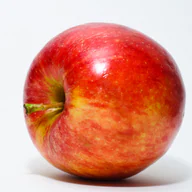
Last reviewed
Yes — cored and seeded, in small pieces.
Yes. Apple flesh is safe for a cat in small pieces — but only the flesh: the seeds, stem, leaves and core carry cyanide compounds, so coring the apple is the whole job.
- How much
- A few small, peeled, cored, seedless pieces, offered occasionally.
Treats count toward daily calories — the cat calorie calculator estimates the daily total.
Fine in small pieces
- The flesh, peeled, cored and seedless
Never — these carry cyanogenic glycosides
- Seeds
- Stem and leaves
- The core
The flesh is the food; everything else on this list goes in the compost, not the cat.
When to call a vet
Too much apple flesh can upset the stomach: stop feeding it and watch your cat. If your cat chewed or swallowed apple seeds, stems or leaves, contact your veterinarian as soon as possible, because those parts contain cyanide. Always core, seed and peel apple before offering it.
What too much apple — or any seeds — can cause
- Digestive upset if your cat eats more apple than it is used to
- If seeds, stems or leaves are chewed: brick-red mucous membranes, dilated pupils, difficulty breathing, panting or shock — signs of cyanide poisoning that need a vet at once
How much apple can a cat eat?
A few small pieces, only occasionally. ASPCA's sharing guidance cuts harder fruits into bite size pieces and removes any seeds, cores, stems or peels, and it warns that too much of a food your pet is not used to can lead to some digestive upset.
Start with one piece and see how your cat gets on.
Are apple seeds poisonous to cats?
Yes. Apple stems, leaves and seeds contain cyanide, and the ASPCA's plant record lists the signs — the same set the card above shows — as what chewing those parts can cause.
Core the apple and the hazard goes out with the core. If seeds were chewed anyway, contact your local veterinarian as soon as possible. Wilting fruit is particularly toxic, which is why the compost bowl counts too.
Can cats eat apple peel?
The guidance removes it. ASPCA's fruit-sharing advice is to remove any seeds, cores, stems or peels; the reason for the peel specifically is not stated, so the honest answer is: peel it, and the flesh underneath is the part that is fine.
What fruits can cats eat besides apple?
The same ASPCA list carries bananas, blueberries, strawberries, pineapple, cantaloupe, cucumber and kiwi — banana already has its own page here, with the same small-pieces rule. Blueberries are small enough to serve as-is.
And the list has a hard edge: treat grapes and raisins as toxic, and chocolate — not a fruit, but the same kitchen — just as seriously.
Sources
1.ASPCA — Sharing is Caring: Foods You Can Safely Share with Your Pet
Show the quoted lines
too much of a food your pet is not used to can lead to some digestive upset... Fruit: Apples, bananas, cucumbers, pineapple, cantaloupe, blueberries, strawberries and kiwi are all okay to give to your pet. Like vegetables, cutting harder fruits into bite size pieces is advisable, as well as removing any seeds, cores, stems or peels.
2.ASPCA — Toxic and Non-Toxic Plants: Apple
Show the quoted lines
Toxic Principles: Cyanogenic glycosides Clinical Signs: Stems, leaves, seeds contain cyanide, particularly toxic in the process of wilting: brick red mucous membranes, dilated pupils, difficulty breathing, panting, shock... contact your local veterinarian as soon as possible
3.PetMD — Can Cats Eat Apples?
Show the quoted lines
An apple's stems, leaves, and seeds also contain cyanide, which in large amounts could be toxic to cats.
4.ASPCA — Good/Bad Food Pet Magnet
Show the quoted lines
These foods are safe to share sparingly with pets in small portions when unseasoned and cut into small pieces. Remove seeds, cores, stems or peels!
How sources are picked: methodology. Spot an error? Email hello@meowledge.app.