Are tulips toxic to cats?
Written by Meowledge · Last updated
Yes — toxic; the bulb is the worst part
What to do if your cat was exposed to tulip
Call a vet or pet poison hotline. A chewed bulb is the urgent case — the bulb holds the most toxin. Leaves and petals are the milder exposure; call if your cat is drooling or vomiting.
Yes. Every part of a tulip is toxic to cats, and the bulb is the part that causes the serious signs. A cat that nibbles a leaf may bring up its food; a cat that digs up a bulb needs a vet.
- How much is dangerous
- Small amounts of leaf or flower may cause mild nausea and vomiting; the bulb is the most dangerous part
- When signs appear
- Not given by our sources. How bad it gets depends on the amount and the part eaten.
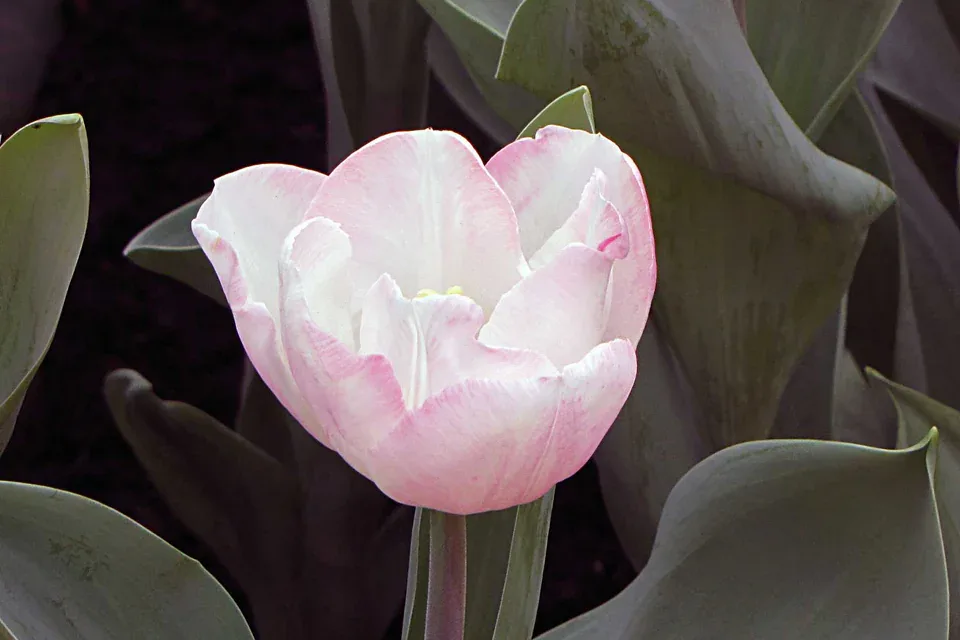
Signs of tulip poisoning in cats
- Drooling, nausea and mouth irritation
- Vomiting
- Diarrhea
- Loss of appetite and lethargy
- Longer-lasting stomach upset if the bulb is eaten, and a faster heart rate or changed breathing after a large amount of bulb
How much tulip does a cat have to eat?
A leaf, a stem or a petal can bring on nausea and vomiting. The bulb is the part that matters: the toxin sits most concentrated there, and eating bulb material is what produces persistent stomach upset, lethargy and, after a large amount, changes to heart rate and breathing.
Two things decide how bad a case gets — how much was eaten, and which part of the plant it was. A cat that chews a stem in passing is a different case from one that digs a bulb out of a planter, and the second one is the call to make right away.
Which part of a tulip is the most dangerous?
The bulb, on both sources. The ASPCA puts the highest concentration of toxin in the bulb and calls it the most dangerous part of the plant; Pet Poison Helpline says chewing bulb material risks persistent gastrointestinal distress.
That is why spring is the season to watch. Bulbs go into planters and borders, and a cat that digs can reach them; a bunch of cut flowers on a table puts only the stem and the flower within reach.
What are the signs of tulip poisoning in a cat?
Drooling and irritation in the mouth come first, then vomiting and diarrhea, with loss of appetite and lethargy. After a large amount of bulb, Pet Poison Helpline adds a faster heart rate and changed breathing.
The ASPCA's sign list for tulip is shorter: vomiting, depression, diarrhea and hypersalivation, and it stops there. The heart and breathing signs are Pet Poison Helpline's, drawn from large bulb meals. We print each list as its own source gives it instead of merging the two into one range.
My cat ate a tulip — do I need to call the vet?
Call, yes. A chewed bulb is the case to treat as urgent, and a cat that has eaten one should be seen the same day. For a leaf or a petal, call and describe what was eaten and roughly how much.
Say which part went missing — bulb, stem or flower — because that is what decides how seriously the case is taken. Have the plant, or a photo of it, to hand when you call.
Does this cover every kind of tulip?
Yes. The ASPCA's entry is for the genus, Tulipa spp., so the verdict covers garden tulips, cut-flower tulips and the named varieties sold in bunches, including the peony-flowered and parrot types.
Neither source holds a separate safety record for one cultivar over another. A tulip is judged as a tulip, which is what makes the list on our plants page usable: the same verdict applies to whatever the label on the sleeve says.
What should I do with cut tulips in the house?
Keep them where the cat cannot reach the stems, and treat a knocked-over vase as an exposure worth checking. The stem and the flower are what a cat can get at, and they are the parts that cause the mouth and stomach signs.
If you are choosing flowers for a house with a cat, our list of flowers the ASPCA calls non-toxic is the place to start, and the lily page is the one to read if a bouquet might also contain lilies.
The toxin here is tulipalin A and B, with allergenic lactones. Every claim on this page traces to a quoted source — how we grade the evidence.
Sources
1.Pet Poison Helpline — Tulips & Hyacinths
Show the quoted lines
Tulips and Hyacinths contain toxic plant alkaloids throughout the plant structure. The highest concentration of toxin is found in the bulbs. Pet ingestion of small amounts of leaves, stems or flowers may result in mild nausea with vomiting. Consumption of bulb material poses risk for persistent gastrointestinal distress (e.g., vomiting, loss of appetite, diarrhea, drooling) and lethargy... A number of factors (amount of substance ingested, size of the animal, allergies, etc.) determine what is toxic to a particular pet.
2.ASPCA Animal Poison Control — Tulip
Show the quoted lines
Scientific Name: Tulipa spp. Family: Liliaceae Toxicity: Toxic to Dogs, Toxic to Cats, Toxic to Horses Toxic Principles: Tulipalin A and B Clinical Signs: Vomiting, depression, diarrhea, hypersalivation. Highest concentration of toxin in bulb.
3.Pet Poison Helpline — Spring Dangers to Pets
Show the quoted lines
Tulips contain allergenic lactones while hyacinths contain similar alkaloids. The toxic principle of these plants is very concentrated in the bulbs (versus the leaf or flower)... When the plant parts or bulbs are chewed or ingested, it can result in tissue irritation to the mouth and esophagus. Typical signs include profuse drooling, vomiting, or even diarrhea, depending on the amount consumed. With large ingestions of the bulb, more severe symptoms such as an increase in heart rate and changes in respiration can be seen.
4.ASPCA — Spring Bulbs and Your Pet
Show the quoted lines
Tulips, Hyacinths and Irises are all considered toxic to both dogs and cats, and can cause vomiting, diarrhea and drooling if ingested. All parts of the plants contain toxins and can cause issues for your pets, but the toxins are most concentrated in the bulbs of the plant—making the bulb the most dangerous part. Depending on how much your pet ingests, and which parts of the plant are ingested, significant vomiting or diarrhea may occur which can lead to more serious concerns such as dehydration, lethargy and abdominal pain.
How sources are picked: methodology. Spot an error? Email hello@meowledge.app.
Other plants that are toxic to cats
- Aloe Vera
- Amaryllis
- Chrysanthemum
- Cyclamen
- Daffodil
- Dieffenbachia
- English Ivy
- Eucalyptus
- Hyacinth
- Kalanchoe
- Monstera
- Peace Lily
- Philodendron
- Pothos
- Snake Plant